
If you’re searching for a step by step waste handling guide, this detailed explanation will help you understand exactly how to manage waste in a structured, practical, and responsible way. Proper waste handling is not just about cleanliness—it’s about protecting health, reducing environmental impact, and creating sustainable habits in your daily life.
In this step by step waste handling guide, you’ll learn each stage of the process in detail so you can easily apply it at home, in your workplace, or anywhere else.
Understanding Waste Types Before You Begin

Before following any step by step waste handling guide, it’s important to understand the different types of waste you deal with daily. This helps you handle each category appropriately.
1. Organic Waste
This includes biodegradable materials such as:
- Food scraps
- Vegetable and fruit peels
- Tea bags and coffee grounds
- Yard waste like leaves and grass
2. Recyclable Waste
Materials that can be processed and reused:
- Paper and cardboard
- Plastic bottles and containers
- Glass bottles
- Metal cans
3. Hazardous Waste
Waste that requires careful handling:
- Batteries
- Chemicals and cleaning agents
- Medical waste
- Electronic waste (e-waste)
4. General Waste
Items that cannot be recycled or composted:
- Broken items
- Used hygiene products
- Contaminated materials
Understanding these categories makes every step of waste handling more effective.
Step 1: Segregate Waste at the Source
The first and most important part of any step by step waste handling guide is segregation at the point where waste is generated.
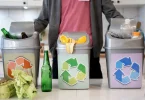
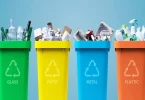
Instead of mixing everything into one bin, use separate containers for each waste type:
- One bin for organic waste
- One for recyclables
- One for general waste
- A separate container for hazardous waste
Label the bins clearly so that everyone in your household or workplace can follow the system easily. Proper segregation prevents contamination and improves recycling efficiency.
Step 2: Minimize Waste Generation
A crucial but often overlooked step in this step by step waste handling guide is reducing how much waste you produce in the first place.
You can do this by:
- Avoiding single-use plastics
- Buying products with minimal packaging
- Choosing reusable items like bottles, bags, and containers
- Planning meals to reduce food waste
- Purchasing only what you need
Reducing waste at the source not only simplifies disposal but also reduces environmental pressure.
Step 3: Store Waste Properly
After segregation, proper storage is essential.
- Use covered bins to prevent odors and pests
- Keep bins in a designated area
- Clean bins regularly to maintain hygiene
- Avoid overfilling containers
- Store hazardous waste separately in safe containers
Proper storage ensures waste does not create health hazards before collection.
Step 4: Reuse Items Before Disposing
Before throwing items away, always check if they can be reused. Reuse is an essential part of any effective step by step waste handling guide.
Examples include:
- Reusing glass jars for storage
- Turning old clothes into cleaning cloths
- Repurposing boxes for organizing items
- Using containers for DIY projects
Reusing items reduces the amount of waste that ends up in landfills.
Step 5: Recycle Materials Correctly

Recycling is one of the most important stages in this step by step waste handling guide.
To recycle effectively:
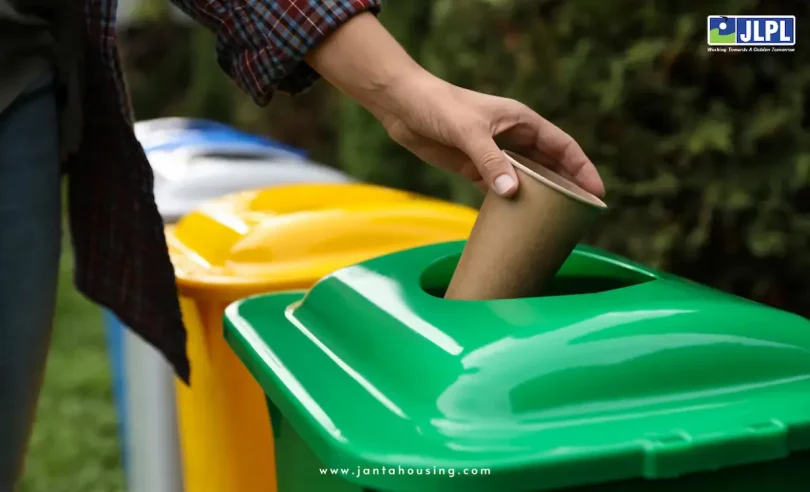
- Clean items before placing them in recycling bins
- Remove food residue from containers
- Follow local recycling guidelines
- Separate materials properly (paper, plastic, metal, glass)
- Avoid mixing non-recyclable waste with recyclables
Contamination is one of the biggest problems in recycling systems, so proper sorting is essential.
Step 6: Compost Organic Waste
Composting is an excellent way to handle organic waste naturally.
You can compost:
- Vegetable and fruit scraps
- Eggshells
- Tea leaves and coffee grounds
- Dry leaves and garden waste
Benefits of composting:
- Reduces landfill waste
- Produces natural fertilizer
- Improves soil quality
- Reduces greenhouse gas emissions
You can start a simple compost bin at home or use community composting services if available.
Step 7: Dispose of Hazardous Waste Safely
Hazardous waste should never be mixed with regular trash. This step is critical in any step by step waste handling guide.
Guidelines include:
- Store hazardous items in labeled containers
- Keep batteries and electronics separate
- Avoid breaking or damaging such items
- Use designated collection centers or authorized disposal services
Improper disposal of hazardous waste can lead to serious environmental and health risks.
Step 8: Follow Local Waste Collection Systems
Every area has its own waste collection rules and schedules.
You should:
- Know your local collection days
- Follow sorting instructions provided by authorities
- Keep waste ready for pickup at the designated time
- Cooperate with recycling and waste management programs
Aligning with local systems ensures smooth and efficient waste handling.
Step 9: Maintain Cleanliness and Hygiene
Keeping your waste area clean is just as important as sorting it.
- Wash bins regularly
- Use liners or bags inside bins
- Avoid leaks and spills
- Ensure lids are tightly closed
This prevents foul smells, insects, and bacteria from spreading.
You may also like to read this:
Eco Friendly Alternatives To Plastic For Daily Life Guide
How To Manage Waste at Home – Easy & Practical Guide
Waste Management Guide For Beginners: Easy Step Guide
How To Sort Garbage Properly: Easy Step-By-Step Guide
Household Waste Disposal Tips For Clean and Safe Homes
Step 10: Educate and Involve Others
A step by step waste handling guide works best when everyone participates.
- Teach family members how to sort waste
- Encourage coworkers to follow proper disposal habits
- Share knowledge about recycling and composting
- Create simple rules for waste management at home or office
Collective effort leads to better results and long-term sustainability.
Step 11: Monitor and Improve Your System
Waste handling is not a one-time task—it requires continuous improvement.
- Review how much waste you generate
- Check if segregation is being followed correctly
- Identify areas where you can reduce or reuse more
- Upgrade your system if needed
Over time, you’ll develop better habits and more efficient waste management practices.
Final Thoughts
Following a step by step waste handling guide helps you take control of how waste is managed in your daily life. By segregating waste, reducing consumption, reusing items, recycling properly, composting organic materials, and disposing of hazardous waste safely, you can significantly reduce your environmental footprint.
Start with small changes and stay consistent. As these steps become part of your routine, waste management will feel natural, organized, and effective—benefiting both you and the environment in the long run.
FAQs on Step by Step Waste Handling Guide
1. What is waste handling?
Waste handling refers to the process of collecting, segregating, storing, transporting, recycling, and disposing of waste in a safe and efficient manner to protect health and the environment.
2. Why is waste segregation important?
Waste segregation is important because it prevents contamination, makes recycling easier, reduces landfill waste, and ensures hazardous materials are handled safely.
3. What are the main types of waste?
The main types of waste include:
Organic waste (food scraps, garden waste)
Recyclable waste (plastic, paper, glass, metal)
Hazardous waste (chemicals, batteries, medical waste)
General waste (non-recyclable items)
4. How can I start waste segregation at home?
You can start by placing separate bins for different types of waste, labeling them clearly, and educating everyone in your household to dispose of waste in the correct bin.
5. What items can be composted?
Items such as fruit and vegetable peels, tea bags, coffee grounds, eggshells, and garden waste can be composted to create natural fertilizer.