If you’ve been searching for how to reduce and reuse waste, you’re already on the right path toward building a more sustainable lifestyle. Waste reduction isn’t just about protecting the environment—it’s also about saving money, organizing your home better, and developing mindful consumption habits that benefit you in the long run.
In this detailed guide, we’ll break down everything step by step in a simple, conversational way so you can easily apply these practices in your daily life.
What Does Reducing and Reusing Waste Really Mean?

Before learning how to reduce and reuse waste, it’s important to clearly understand both concepts:
- Reduce means minimizing the amount of waste you create in the first place.
- Reuse means using items again instead of throwing them away after a single use.
Together, they help limit the amount of garbage that ends up in landfills and reduce the need for new raw materials.
Why Reducing and Reusing Waste Is Important
When you start practicing waste reduction and reuse, you contribute to:
- Less environmental pollution
- Reduced landfill overflow
- Conservation of natural resources like water, wood, and minerals
- Lower carbon emissions
- A cleaner and more organized living space
Even small actions, when done consistently, can create a big positive impact.
Step-by-Step Guide on How to Reduce Waste
Let’s start with practical ways you can reduce waste in your everyday routine.
1. Be Mindful of Your Consumption
One of the most effective ways to reduce waste is to simply buy less.
Ask yourself:
- Do I really need this item?
- Will I use it regularly?
- Is there a better alternative?
Avoid impulse buying and focus on intentional purchases.
2. Choose Durable and Reusable Products
Instead of disposable items, invest in long-lasting alternatives:
- Reusable water bottles instead of plastic bottles
- Cloth shopping bags instead of plastic bags
- Metal or bamboo straws instead of plastic straws
- Refillable containers instead of single-use packaging
These small swaps significantly reduce daily waste.
3. Reduce Food Waste
Food waste is one of the biggest contributors to household waste. Here’s how you can reduce it:
- Plan your meals in advance
- Store food properly to extend freshness
- Avoid over-purchasing groceries
- Use leftovers creatively (e.g., soups, sandwiches, fried rice)
- Freeze food items when possible
Being mindful of food usage helps you save both money and resources.
4. Avoid Excess Packaging
When shopping, try to:
- Choose products with minimal packaging
- Buy in bulk where possible
- Select recyclable packaging materials
- Avoid individually wrapped items when unnecessary
Less packaging means less waste to dispose of.
5. Go Digital Whenever Possible
Reducing paper usage is another effective step:
- Use digital notes instead of paper notebooks
- Pay bills online instead of printed receipts
- Store documents electronically
- Avoid unnecessary printing
This helps reduce paper waste significantly over time.
You may also like to read this:
Affordable Cleaning Products Offers: Smart Shopping Guide
Eco Cleaning Kits Discount Deals Save on Green Cleaning Kits
Home Cleaning Supplies Cheap Deals | Save Big on Essentials
Best Cleanup Tools Under Budget For Smart Home Cleaning
How to Find Discount Offers on Cleaning Products Easily
Step-by-Step Guide on How to Reuse Waste
Now let’s focus on reuse strategies that extend the life of everyday items.
1. Reuse Containers and Packaging
Before throwing away jars, bottles, or boxes, consider reusing them:
- Glass jars for storing spices or pulses
- Plastic containers for organizing small items
- Cardboard boxes for storage or moving
- Tin cans for DIY organizers
With a little creativity, many items can serve a second purpose.
2. Repurpose Old Clothes
Instead of discarding old or worn-out clothes:
- Turn them into cleaning cloths
- Use them for household dusting
- Convert them into reusable shopping bags
- Donate usable clothes to those in need
This reduces textile waste and gives your clothes a second life.
3. Reuse Paper Products
Paper can often be reused before recycling:
- Use scrap paper for notes or lists
- Print on both sides of paper
- Reuse envelopes when possible
- Turn old newspapers into wrapping paper
Small habits like these help reduce paper consumption.
4. Repair Instead of Replacing
Many items are thrown away simply because they stop working temporarily.
Instead of replacing:
- Repair broken appliances
- Fix damaged furniture
- Mend torn clothes
- Replace parts rather than the entire item
Repairing is often cheaper and more sustainable than buying new.
5. Get Creative with DIY Reuse Projects
Reusing can also be fun and creative:
- Turn plastic bottles into planters
- Use jars as candle holders or storage
- Convert old furniture into new designs
- Create organizers from cardboard boxes
DIY reuse projects not only reduce waste but also add a personal touch to your home.
Building Long-Term Habits for Waste Reduction
Learning how to reduce and reuse waste is not a one-time effort—it’s about building habits that last.
Here are some long-term practices:
- Always carry reusable bags when shopping
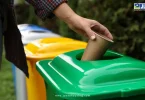
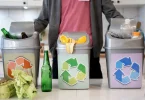
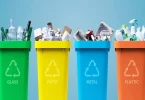
- Keep separate bins for different types of waste
- Compost organic waste if possible
- Avoid unnecessary purchases
- Teach family members to follow similar practices
- Reuse items before considering disposal
Consistency is key when it comes to sustainability.
Common Challenges and How to Overcome Them
You may face some challenges while adopting these habits:
Challenge: Convenience of disposable items
Solution: Keep reusable alternatives easily accessible.
Challenge: Forgetting reusable items
Solution: Build a routine (e.g., keep bags in your car or near the door).
Challenge: Limited time for reuse or repair
Solution: Start small—focus on a few easy habits first.
Challenge: Lack of awareness
Solution: Continuously learn and explore simple eco-friendly practices.
Benefits You Will Notice Over Time
Once you consistently apply these practices, you’ll begin to see:
- Reduced household waste
- Lower expenses on disposable products
- Better organization at home
- Less clutter and more space
- A sense of contribution toward environmental protection
These benefits make the effort worthwhile.
Final Thoughts
Understanding how to reduce and reuse waste is about making thoughtful choices in your everyday life. You don’t need to change everything overnight. Start with small, manageable steps—like using reusable bags, reducing food waste, and repurposing items you already have.
Over time, these habits will become second nature, helping you live a cleaner, more organized, and environmentally responsible lifestyle.
FAQs on How to Reduce and Reuse Waste
1. What is the easiest way to start reducing waste at home?
The easiest way to start is by making small changes in your daily habits. Begin with using reusable bags, avoiding single-use plastics, and buying only what you need. Gradually, you can adopt more practices like meal planning and choosing products with less packaging.
2. How can I reduce food waste effectively?
You can reduce food waste by planning meals in advance, storing food properly, using leftovers creatively, and avoiding over-purchasing groceries. Freezing extra food and checking expiry dates regularly also helps minimize waste.
3. What are some common items that can be reused?
Many household items can be reused, including glass jars, plastic containers, cardboard boxes, old clothes, newspapers, and bottles. These can be repurposed for storage, cleaning, organizing, or DIY projects.
4. Why is reusing waste better than throwing it away?
Reusing waste extends the life of products, reduces the need for new resources, and decreases the amount of garbage sent to landfills. It also helps conserve energy and lowers environmental pollution.
5. How can I encourage my family to reduce and reuse waste?
You can encourage your family by leading by example, explaining the benefits, and involving them in simple activities like sorting waste, using reusable items, and practicing recycling habits together.