
If you’re searching for a practical and easy-to-follow waste management guide for beginners, this detailed article will walk you through everything step by step. Waste management may sound technical at first, but once you understand the basics and apply simple habits at home, it becomes a natural part of your daily routine.
This guide is designed in a friendly, conversational way so you can confidently start managing your waste, reduce environmental impact, and create a cleaner, more organized lifestyle.
Understanding Waste Management in Simple Terms

Waste management refers to the process of handling waste from the moment it is generated to its final disposal or reuse. It includes collecting, sorting, recycling, composting, and safely disposing of waste.
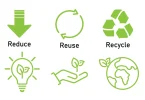
In a beginner-friendly approach, waste management focuses on three key principles:
- Reduce what you use
- Reuse what you can
- Recycle what remains
These three steps are often called the “3Rs,” and they form the foundation of effective waste management.
Why You Should Take Waste Management Seriously
Even if you generate only a small amount of waste daily, your habits still matter. When millions of people adopt better waste practices, the combined impact is huge.
Here’s why waste management is important:
- Reduces environmental pollution
- Prevents landfill overflow
- Saves natural resources
- Encourages sustainable living
- Improves hygiene and health at home
By following a proper waste management guide for beginners, you contribute to both personal cleanliness and global sustainability.
Step 1: Start with Waste Segregation
The first step is sorting your waste into categories. This makes disposal, recycling, and composting much easier.
Basic Categories:
- Wet Waste (Organic Waste): Food scraps, vegetable peels, leftovers
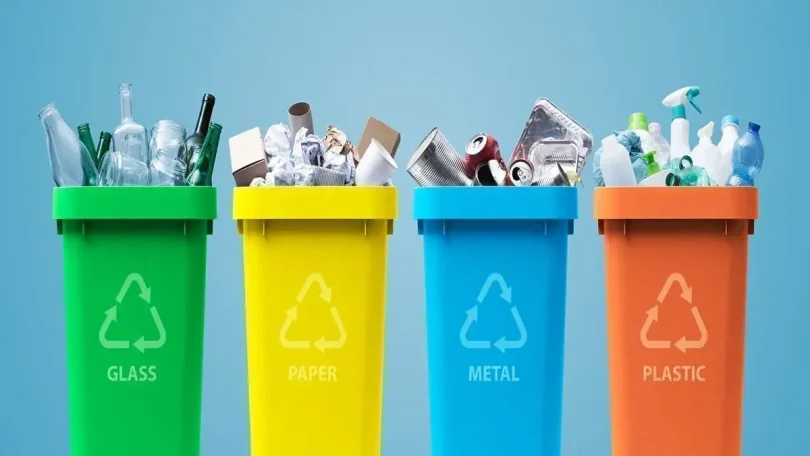
- Dry Waste (Recyclables): Paper, plastic, glass, metal
- Non-Recyclable Waste: Contaminated or mixed materials
- Hazardous Waste: Batteries, chemicals, medicines, electronics
How to Implement at Home:
- Use separate bins or labeled containers
- Place bins in convenient locations (kitchen, bathroom, etc.)
- Educate everyone in the household to follow the same system
Segregation is the foundation of effective waste management.
Step 2: Reduce Waste Generation
The best way to manage waste is to produce less of it in the first place.
Practical Ways to Reduce Waste:
- Avoid single-use plastics like straws and bags
- Buy products with minimal packaging
- Choose reusable items (water bottles, lunch boxes, shopping bags)
- Plan meals to avoid food wastage
- Purchase only what you actually need
Reducing waste not only helps the environment but also saves money over time.
Step 3: Reuse Items Creatively
Before throwing something away, consider whether it can be reused.
Examples of Reuse:
- Glass jars for storage
- Old clothes as cleaning rags
- Cardboard boxes for organizing items
- Plastic containers for storing small household items
Reusing items extends their life cycle and reduces the need for new products.
Step 4: Compost Organic Waste
Composting is one of the most effective ways to manage organic waste at home.
What You Can Compost:
- Fruit and vegetable peels
- Tea leaves and coffee grounds
- Eggshells
- Garden waste like leaves and grass
Basic Composting Process:
- Collect organic waste separately
- Place it in a compost bin or pit
- Add dry materials like leaves or paper
- Allow it to decompose naturally over time
- Use the compost as fertilizer for plants
Composting reduces waste while creating something useful for gardening.
Step 5: Recycle Responsibly

Recycling helps convert waste materials into reusable resources.
Tips for Effective Recycling:
- Clean and dry recyclable items before disposing
- Separate paper, plastic, metal, and glass
- Follow local recycling rules and guidelines
- Avoid mixing recyclables with food waste
Recycling conserves resources and reduces the need for raw materials.
Step 6: Handle Hazardous Waste Safely
Hazardous waste should never be mixed with regular garbage.
Examples:
- Batteries
- Electronics (e-waste)
- Chemicals
- Expired medicines
Safe Disposal Methods:
- Use designated collection centers
- Return e-waste to authorized recycling facilities
- Follow local regulations for disposal
Proper handling prevents environmental contamination and health risks.
Setting Up a Simple Waste Management System at Home
You don’t need expensive equipment to get started. A basic setup is enough.
Suggested Setup:
- 2–3 labeled bins (wet, dry, recyclable)
- A small compost bin (optional but recommended)
- A designated area for storing recyclables
Weekly Routine:
- Empty bins regularly
- Compost organic waste daily or every few days
- Clean recyclable items before storage
- Dispose of waste according to local collection schedules
Consistency is more important than complexity.
You may also like to read this:
Eco Friendly Cleaning Products List For a Green Home
Top Green Products For Environment: Eco-Friendly Guide
Best Biodegradable Products To Use For Eco Living
Eco Friendly Alternatives To Plastic For Daily Life Guide
How To Manage Waste at Home – Easy & Practical Guide
Common Beginner Challenges and How to Overcome Them
1. Forgetting to Segregate Waste
Solution: Place bins in visible and convenient locations.
2. Lack of Time
Solution: Make waste sorting part of your daily routine.
3. Family Members Not Cooperating
Solution: Educate and involve everyone in the process.
4. Confusion About Recycling Rules
Solution: Check local municipal guidelines or community programs.
Advanced Tips for Better Waste Management
Once you’re comfortable with the basics, you can take your waste management to the next level:
- Start a home composting system (bucket or pit composting)
- Use eco-friendly and biodegradable products
- Participate in community recycling programs
- Track your waste to identify areas for improvement
- Gradually aim for a low-waste or zero-waste lifestyle
Benefits You Will Notice Over Time
As you follow this waste management guide for beginners, you’ll start seeing real benefits:
- Cleaner and more organized home
- Reduced garbage output
- Lower environmental impact
- Better awareness of consumption habits
- Healthier and more sustainable lifestyle
Final Thoughts
This detailed waste management guide for beginners shows that managing waste doesn’t have to be complicated. By starting with small, consistent steps—like segregating waste, reducing consumption, reusing items, composting organic matter, and recycling properly—you can build a strong and sustainable routine.
Remember, the goal is not perfection but progress. Even minor improvements in your daily habits can make a meaningful difference over time. By adopting these practices, you’re not just managing waste—you’re contributing to a cleaner home and a healthier planet.
FAQs on Waste Management for Beginners
1. What is the easiest way to start waste management at home?
The easiest way is to begin with waste segregation. Use separate bins for wet (organic) waste and dry (recyclable) waste. Once you get comfortable, you can expand your system by adding composting and better recycling practices.
2. Do I need special equipment to manage waste at home?
No, you don’t need any special equipment. Basic items like a few labeled bins, a compost container (optional), and reusable bags are enough to get started.
3. What should I do with kitchen food waste?
Kitchen waste such as vegetable peels, fruit scraps, and leftovers should be collected as organic waste. You can compost it at home or dispose of it through local waste collection systems that handle organic waste.
4. How can I reduce household waste easily?
You can reduce waste by:
Avoiding single-use plastics
Buying only what you need
Using reusable items like bottles and bags
Planning meals to prevent food waste
Small daily habits make a big difference over time.
5. What items can be recycled?
Common recyclable items include:
Paper and cardboard
Glass bottles and jars
Metal cans
Certain plastics (depending on local guidelines)
Make sure items are clean and dry before recycling.