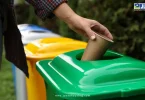
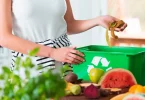
If you’ve ever searched for how to sort garbage properly, you’re already on the right path toward building a cleaner home and a more sustainable lifestyle. Proper waste sorting is not just about keeping your surroundings tidy—it’s about reducing pollution, improving recycling, and managing resources more efficiently.
In this detailed guide, we’ll walk through everything step by step in a simple, conversational way so you can confidently start sorting garbage in your daily routine.
Understanding the Importance of Sorting Garbage

Before diving into how to sort garbage properly, it’s important to understand why it matters so much.
When garbage is not sorted:
- Recyclable materials get contaminated
- Organic waste cannot be composted effectively
- Landfills fill up faster
- Harmful chemicals may leak into soil and water
- Recycling processes become more expensive and inefficient
On the other hand, when waste is properly sorted:
- Recycling becomes easier and more effective
- Organic waste can be turned into compost
- Hazardous materials are handled safely
- Overall environmental impact is reduced
Simply put, sorting garbage correctly is one of the easiest ways to contribute to environmental protection.
The Main Categories of Garbage
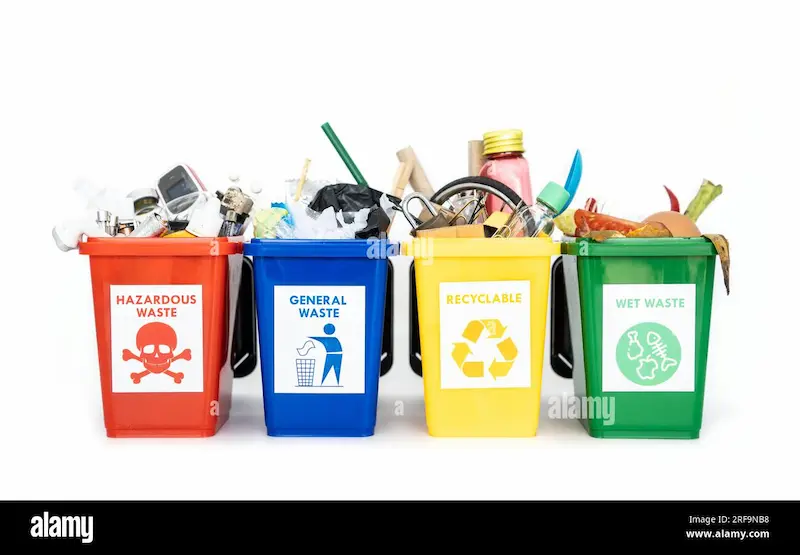
To fully understand how to sort garbage properly, you need to know the different types of waste. Most household waste falls into these four main categories:
1. Organic Waste (Wet Waste)
Organic waste includes anything that can decompose naturally.
Common examples:
- Fruit and vegetable peels
- Leftover food
- Tea bags and coffee grounds
- Eggshells
- Yard waste like leaves and grass
What to do with it:
- Compost it if possible
- Store it in a separate bin with a lid
- Avoid mixing it with dry waste to prevent contamination
Organic waste is highly useful because it can be converted into compost for gardening.
2. Recyclable Waste (Dry Waste)
Recyclable waste includes materials that can be processed and reused.
Common examples:
- Plastic bottles and containers
- Paper, newspapers, and cardboard
- Glass bottles and jars
- Metal cans (aluminum, steel)
What to do with it:
- Keep items clean and dry
- Remove food residue before disposal
- Flatten cardboard boxes to save space
- Store in a separate dry waste bin
Recyclables should never be mixed with wet waste because moisture can ruin the recycling process.
3. Hazardous Waste
Hazardous waste requires special care because it can be harmful to humans and the environment.
Common examples:
- Batteries
- Electronic waste (old phones, chargers, cables)
- Medicines and expired drugs
- Paints, chemicals, and cleaning agents
- Fluorescent bulbs
What to do with it:
- Store separately in a labeled container
- Do not mix with household waste
- Dispose of at designated collection centers or authorized facilities
Improper disposal of hazardous waste can lead to serious environmental damage.
4. Non-Recyclable Waste (General Waste)
This category includes items that cannot be reused, recycled, or composted.
Common examples:
- Used tissues and paper towels
- Diapers and sanitary products
- Dirty plastic wrappers
- Broken or contaminated items
What to do with it:
- Dispose of in the general waste bin
- Ensure it is separate from recyclables and organic waste
You may also like to read this:
Top Green Products For Environment: Eco-Friendly Guide
Best Biodegradable Products To Use For Eco Living
Eco Friendly Alternatives To Plastic For Daily Life Guide
How To Manage Waste at Home – Easy & Practical Guide
Waste Management Guide For Beginners: Easy Step Guide
Step-by-Step Guide on How to Sort Garbage Properly at Home
Here’s a practical system you can follow every day:
Step 1: Set Up Separate Bins
Create at least three bins:
- Green bin for organic waste
- Blue bin for recyclables
- Black bin for general waste
If possible, add a fourth container for hazardous waste.
Step 2: Sort Waste at the Source
Instead of mixing everything and sorting later, separate waste as soon as it is generated. This saves time and prevents contamination.
Step 3: Clean and Dry Recyclables
Rinse containers like bottles and cans to remove leftover food or liquid. Dry them before placing them in the recycling bin.
Step 4: Compost Organic Waste
You can:
- Use a compost bin at home
- Create a simple compost pit in your backyard
- Use kitchen compost containers
Over time, this reduces the amount of garbage you produce.
Step 5: Store Hazardous Waste Safely
Keep items like batteries, electronics, and chemicals in a separate box until you can dispose of them properly.
Step 6: Dispose of Waste According to Local Rules
Different areas may have specific waste collection systems. Follow your local municipality guidelines for proper disposal schedules and methods.
Practical Home Waste Sorting Setup
To make how to sort garbage properly easier in daily life, organize your home like this:
- Place bins in the kitchen (main waste generation area)
- Keep smaller bins in bedrooms or bathrooms if needed
- Label each bin clearly
- Educate everyone in the household
- Assign responsibility for waste disposal
Consistency is key to making waste sorting a habit.
Common Mistakes People Make
Even with good intentions, people often make mistakes such as:
- Mixing wet and dry waste
- Throwing recyclables in general trash
- Not cleaning recyclable items
- Ignoring hazardous waste guidelines
- Using a single bin for all waste
Avoiding these mistakes will significantly improve your waste management system.
Advanced Tips for Better Waste Management
Once you understand the basics of how to sort garbage properly, you can take things further:
- Reduce waste by avoiding unnecessary packaging
- Reuse items whenever possible
- Choose recyclable or eco-friendly products
- Buy in bulk to reduce packaging waste
- Practice composting regularly
- Encourage others in your household or community
These small actions can have a big long-term impact.
Benefits of Sorting Garbage Properly
When you consistently sort your waste, you will notice:
- A cleaner and more organized home
- Reduced odor from waste bins
- Easier recycling and disposal
- Less contribution to landfills
- Improved environmental sustainability
- Better resource utilization
Final Thoughts
Learning how to sort garbage properly is one of the simplest yet most powerful habits you can develop. It doesn’t require expensive tools or complicated systems—just awareness, consistency, and a little discipline.
By separating organic, recyclable, hazardous, and general waste at the source, you make a meaningful contribution to reducing pollution and conserving resources. Start small, stay consistent, and soon waste sorting will become a natural part of your daily routine.
FAQs on How to Sort Garbage Properly
1. What is the easiest way to start sorting garbage properly?
The easiest way is to begin by separating your waste into three basic categories: organic waste, recyclable waste, and general waste. Set up separate bins at home and start sorting items as soon as you throw them away instead of mixing everything in one place.
2. Why is it important to sort garbage properly?
Sorting garbage properly helps reduce landfill waste, improves recycling efficiency, prevents pollution, and allows organic waste to be composted. It also makes waste management safer and more organized.
3. What items should go into organic waste?
Organic waste includes food scraps like vegetable peels, fruit waste, leftover food, tea bags, coffee grounds, and garden waste such as leaves and grass clippings. These materials can decompose naturally and are suitable for composting.
4. Do recyclables need to be cleaned before disposal?
Yes, recyclables should be cleaned and dried before being placed in the recycling bin. Removing food residue prevents contamination and ensures the materials can be processed efficiently.
5. What should I do with plastic waste?
Clean plastic bottles, containers, and packaging can go into recyclable waste. However, contaminated or non-recyclable plastic items should be placed in general waste. Always check if the plastic item is accepted for recycling in your area.