
If you’re searching for practical and easy-to-follow household waste disposal tips, this detailed guide will help you manage waste in a smarter and more organized way. Handling household waste properly is not just about keeping your home clean—it’s also about protecting your health, saving resources, and reducing environmental impact.
Let’s go step by step and understand how you can build an effective waste management routine at home.
Understanding Household Waste Types

Before you start managing waste, it’s important to understand what types of waste your home generates. Generally, household waste falls into the following categories:
1. Organic Waste
This includes biodegradable waste such as:
- Fruit and vegetable peels
- Food leftovers
- Tea bags and coffee grounds
- Garden waste (leaves, grass, etc.)
2. Recyclable Waste
Materials that can be processed and reused:
- Paper and cardboard
- Plastic bottles and containers
- Glass items
- Metal cans
3. Non-Recyclable Waste
Items that cannot be reused or recycled easily:
- Used tissues
- Broken ceramics
- Contaminated packaging
- Certain plastic materials
4. Hazardous Waste
Requires special handling:
- Batteries
- Electronic waste (e-waste)
- Chemicals, paints, and cleaning agents
- Medicines
Understanding these categories helps you apply the right disposal method for each type of waste.
Step 1: Start Waste Segregation at Home
One of the most important household waste disposal tips is to separate waste at the source.
You can do this by setting up:
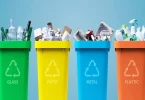
- A green bin for organic waste
- A blue bin for recyclables
- A black bin for non-recyclables
- A separate container for hazardous waste
Label each bin clearly so every family member can follow the system easily. This simple step makes waste processing much more efficient and reduces confusion later.
Step 2: Reduce Waste Generation First
The most effective waste management strategy is to generate less waste in the first place.
Here’s how you can reduce waste in your daily life:
- Avoid buying unnecessary items
- Choose products with less packaging
- Use reusable shopping bags instead of plastic ones
- Opt for refillable water bottles and containers
- Buy in bulk when possible to reduce packaging waste
By being mindful of your consumption, you can significantly cut down the amount of waste your household produces.
Step 3: Practice Composting for Organic Waste
Instead of throwing away kitchen scraps, turn them into compost.
How to compost at home:
- Choose a compost bin or container
- Add organic waste like vegetable peels and food scraps
- Mix dry materials such as leaves or paper
- Keep the compost slightly moist
- Turn it occasionally to allow airflow
Over time, the waste breaks down into nutrient-rich compost that you can use for plants or gardening.
Benefits of composting:
- Reduces landfill waste
- Improves soil quality
- Minimizes odor from kitchen waste
- Eco-friendly and cost-effective
Step 4: Recycle Properly and Responsibly

Recycling is a key part of household waste disposal, but it must be done correctly.
Follow these guidelines:
- Clean items before recycling them
- Remove food residue from containers
- Flatten cardboard boxes to save space
- Separate materials according to recycling rules in your area
Examples of recyclable items:
- Newspapers and magazines
- Plastic bottles (check recycling codes)
- Glass jars and bottles
- Aluminum and steel cans
Proper recycling helps conserve natural resources and reduces pollution caused by manufacturing new materials.
Step 5: Handle Hazardous Waste Carefully
Hazardous waste should never be mixed with regular household garbage.
Examples include:
- Expired medicines
- Batteries and bulbs
- Old electronic devices
- Cleaning chemicals and pesticides
What you should do:
- Store hazardous items separately
- Avoid breaking or leaking containers
- Dispose of them through designated collection centers or local programs
Improper disposal of hazardous waste can harm the environment and pose serious health risks.
You may also like to read this:
Best Biodegradable Products To Use For Eco Living
Eco Friendly Alternatives To Plastic For Daily Life Guide
How To Manage Waste at Home – Easy & Practical Guide
Waste Management Guide For Beginners: Easy Step Guide
How To Sort Garbage Properly: Easy Step-By-Step Guide
Step 6: Store Waste Properly at Home
Good storage practices help maintain hygiene and prevent problems like bad odors and pests.
Tips for proper storage:
- Use bins with lids to keep waste covered
- Line bins with garbage bags to avoid direct contact
- Empty bins regularly, especially in the kitchen
- Clean bins with disinfectant to prevent bacteria buildup
Keeping waste contained and clean ensures a more pleasant living environment.
Step 7: Follow a Regular Disposal Routine
Consistency is key when it comes to managing household waste.
You can create a routine like:
- Dispose of organic waste daily
- Take out recyclables every few days
- Follow municipal garbage collection schedules
Avoid letting waste accumulate for too long, as it can create hygiene issues and unpleasant smells.
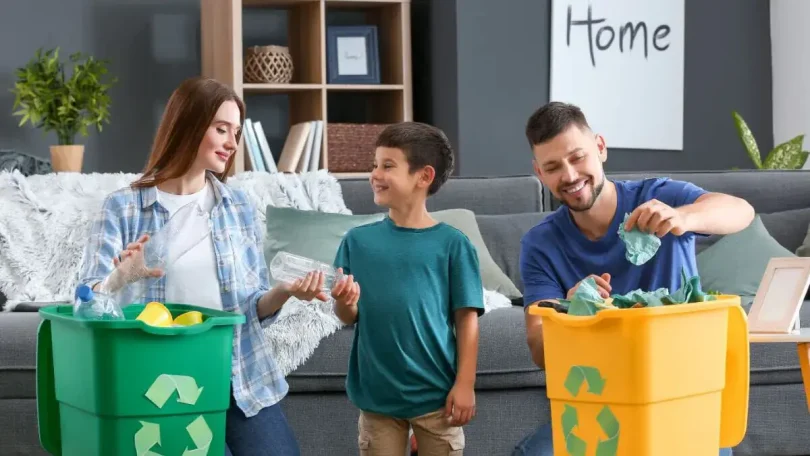
Step 8: Educate and Involve Everyone at Home
Waste management should be a shared responsibility.
Make sure everyone in the household:
- Understands waste segregation
- Knows where to throw each type of waste
- Participates in recycling and composting
- Avoids mixing different types of waste
When everyone contributes, the system becomes much easier to maintain.
Step 9: Reuse Items Creatively
Before discarding items, think about how they can be reused.
Examples:
- Glass jars can be used for storage
- Old clothes can be turned into cleaning rags
- Cardboard boxes can be reused for organizing items
- Plastic containers can store leftovers or small items
Reusing reduces waste and saves money at the same time.
Step 10: Stay Aware of Local Waste Guidelines
Different areas may have different waste disposal rules. It’s important to:
- Follow local recycling regulations
- Use designated collection services
- Participate in community waste programs if available
Staying informed ensures that your waste is handled properly after it leaves your home.
Final Thoughts
Managing household waste effectively doesn’t have to be complicated. By following these household waste disposal tips, you can build simple habits that make a big difference over time. Start with waste segregation, reduce unnecessary consumption, recycle properly, and handle hazardous materials with care.
With consistency and a little effort from everyone in the home, you can maintain a cleaner living space while also contributing to a healthier environment.
FAQs on Household Waste Disposal Tips
1. What are the basic household waste disposal tips everyone should follow?
The basics include separating waste into categories (organic, recyclable, non-recyclable), reducing unnecessary waste, recycling properly, composting organic waste, and disposing of hazardous items separately. Consistency is key to maintaining an effective system.
2. Why is waste segregation important at home?
Waste segregation helps ensure that recyclable materials are reused, organic waste is composted, and hazardous waste is handled safely. It reduces landfill waste, prevents pollution, and makes recycling more efficient.
3. How can I start composting at home easily?
You can start by using a small container or compost bin. Add organic kitchen waste like fruit peels, vegetable scraps, and coffee grounds. Mix with dry materials like leaves or paper, keep it moist, and turn it occasionally to allow decomposition.
4. What types of waste should never be mixed with regular garbage?
Hazardous waste such as batteries, electronic devices, medicines, paints, and chemicals should never be mixed with regular trash. These require special disposal methods to prevent environmental and health risks.
5. How often should household waste be disposed of?
Organic waste should ideally be disposed of daily to avoid odors and pests. Recyclables can be collected every few days, while non-recyclable waste can follow your local garbage collection schedule.