If you’re looking for the best biodegradable products to use, you’re making a smart and responsible choice for both your lifestyle and the environment. In today’s world, where pollution and plastic waste are growing rapidly, switching to biodegradable alternatives can significantly reduce your ecological footprint.
In this detailed guide, you’ll learn what biodegradable products are, why they matter, and which ones you should start using in your daily life.
Understanding Biodegradable Products in Simple Terms

Biodegradable products are items that can naturally break down into harmless components like water, carbon dioxide, and organic matter with the help of microorganisms such as bacteria and fungi. Unlike plastic, which can take hundreds of years to decompose, biodegradable materials return to nature much faster.
When you choose the best biodegradable products to use, you’re essentially choosing products that don’t leave long-lasting waste behind.
Why Switching to Biodegradable Products Matters
You might be wondering if switching really makes a difference. The answer is yes—here’s why:
1. Reduces Environmental Pollution
Plastic waste often ends up in oceans, rivers, and landfills. Biodegradable products help minimize this problem because they decompose naturally.
2. Supports Sustainable Living
Using biodegradable alternatives encourages companies to produce eco-friendly goods, promoting a greener economy.
3. Protects Wildlife
Animals often ingest plastic waste, which can be harmful or even fatal. Biodegradable materials are far safer for ecosystems.
4. Lowers Carbon Footprint
Many biodegradable products are made from renewable resources, which generally require less energy to produce compared to synthetic materials.
Best Biodegradable Products to Use in Daily Life

Let’s explore practical biodegradable options you can start using right away across different areas of your routine.
1. Biodegradable Shopping Bags
Plastic bags are one of the biggest contributors to environmental waste. Biodegradable shopping bags made from plant-based materials or paper are excellent alternatives.
Benefits:
- Decompose naturally within a shorter time
- Reduce plastic pollution
- Available in reusable and compostable forms
You can carry these bags for grocery shopping, errands, or daily use.
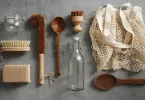
2. Bamboo Personal Care Products
Bamboo-based products are becoming increasingly popular because bamboo grows quickly and is highly renewable.
Examples:
- Bamboo toothbrushes
- Bamboo combs
- Bamboo cotton buds
Why they’re great:
- Naturally biodegradable
- Durable and lightweight
- Eco-friendly production process
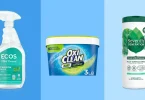
3. Biodegradable Cleaning Products
Household cleaning products often contain harmful chemicals and plastic packaging. Biodegradable cleaning products use natural, plant-based ingredients.
Look for:
- Non-toxic formulas
- Recyclable or refillable packaging
- Plant-derived surfactants
These products are safer for your home environment and reduce water pollution when washed away.
4. Compostable Kitchenware
Disposable plates, cups, and cutlery are commonly used during events and gatherings. Compostable alternatives made from materials like cornstarch, sugarcane, or bamboo are much better options.
Uses:
- Parties and celebrations
- Outdoor picnics
- Takeaway meals
Advantages:
- Break down into compost
- No harmful residue
- Convenient for single-use scenarios
5. Biodegradable Trash Bags
Even your waste disposal system can be eco-friendly. Biodegradable trash bags are designed to break down faster than conventional plastic bags.
Benefits:
- Reduce landfill accumulation
- Suitable for organic waste
- Environmentally safer disposal
6. Natural Fiber Clothing
Clothing made from synthetic fibers like polyester releases microplastics during washing. Natural fiber clothing is a better biodegradable option.
Common materials:
- Cotton
- Hemp
- Linen
- Wool
Advantages:
- Decomposes naturally
- Breathable and comfortable
- Less harmful to the environment
7. Biodegradable Packaging Materials
Packaging waste is a major global issue, especially with the rise of e-commerce. Biodegradable packaging is becoming more widely used.
Examples:
- Paper-based packaging
- Mushroom packaging
- Cornstarch packing peanuts
- Compostable mailers
These materials protect products while being environmentally friendly.
8. Biodegradable Straws and Drinkware
Plastic straws are harmful to marine life and are now being replaced with biodegradable options.
Alternatives include:
- Paper straws
- Bamboo straws
- Stainless steel or glass reusable straws
These options reduce single-use plastic waste significantly.
How to Choose the Best Biodegradable Products to Use
Not all eco-labeled products are truly biodegradable. Here are some tips to help you choose wisely:
- Check certifications like compostable or eco-labels
- Look at the material composition (natural vs synthetic)
- Avoid excessive plastic packaging
- Research the brand’s sustainability practices
- Prefer products made from renewable resources
You may also like to read this:
Home Recycling Guide Step By Step: Easy Beginner Tips
Daily Habits For Recycling Waste: Simple Tips For Beginners
Best Eco Friendly Products For Home For Green Living
Sustainable Products For Daily Use: Easy Eco-Friendly Guide
Eco Friendly Cleaning Products List For a Green Home
Top Green Products For Environment: Eco-Friendly Guide
Common Mistakes to Avoid
When switching to biodegradable products, people often make a few mistakes:
- Assuming all “green” products are biodegradable
- Not disposing of compostable items properly
- Mixing biodegradable waste with non-biodegradable waste
- Overlooking product certifications
Being aware of these helps you maximize the benefits of your choices.
Practical Tips to Start Using Biodegradable Products
If you’re just starting, don’t try to change everything at once. Instead:
- Replace one product at a time
- Start with high-usage items like bags and cleaning products
- Gradually upgrade kitchen and personal care items
- Encourage family members to adopt eco-friendly habits
- Reuse and recycle whenever possible
Consistency is more important than speed.
Final Thoughts
Choosing the best biodegradable products to use is a meaningful step toward a more sustainable and responsible lifestyle. From everyday essentials like shopping bags and toothbrushes to kitchenware and clothing, there are plenty of biodegradable options available today.
By making gradual but consistent changes, you can reduce waste, protect the environment, and contribute to a cleaner future. Small decisions made today can create a big positive impact over time—so starting now truly makes a difference.
FAQs
1. What are biodegradable products?
Biodegradable products are items that can naturally decompose into harmless substances like water, carbon dioxide, and organic matter through the action of microorganisms such as bacteria and fungi.
2. Why should I use biodegradable products?
Using biodegradable products helps reduce environmental pollution, minimizes plastic waste, protects wildlife, and supports a more sustainable lifestyle.
3. Are biodegradable products completely eco-friendly?
Most biodegradable products are more eco-friendly than plastic, but their environmental impact can still vary depending on how they are produced, used, and disposed of. Proper disposal (like composting) is important.
4. How long do biodegradable products take to decompose?
The decomposition time depends on the material and environmental conditions. Some products may break down in a few weeks, while others may take several months.
5. Can biodegradable products be reused?
Some biodegradable products are designed for single use, while others (like bamboo or metal items) can be reused multiple times before disposal.