
If you’re searching for a home recycling guide step by step, this detailed guide will help you build a practical, easy-to-follow recycling system right in your home. Recycling may seem confusing at first, but once you understand the process and set up a routine, it becomes a simple daily habit.
In this guide, I’ll walk you through everything in a conversational, easy-to-understand way so you can confidently start recycling at home.
Understanding the Basics of Home Recycling

Recycling means collecting and processing waste materials so they can be turned into new products instead of being thrown away. At home, recycling mainly involves separating waste into categories and ensuring recyclable materials are clean and properly sorted.
The main goal is simple:
Reduce waste → Reuse when possible → Recycle what remains.
When you follow this approach, you minimize the amount of garbage that ends up in landfills and contribute to environmental sustainability.
Step 1: Create a Recycling Station at Home
The first practical step in your home recycling guide step by step is setting up a dedicated recycling station.
How to set it up:
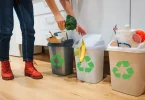
- Use separate bins or containers for different types of waste
- Label each bin clearly (paper, plastic, glass, metal, organic waste)
- Place bins in an accessible location such as the kitchen, balcony, or utility area
- Use color-coded bins if possible for easier identification
You don’t need expensive equipment. Even simple labeled boxes or buckets can work perfectly.
Step 2: Understand Local Recycling Rules
Recycling systems vary depending on your local area. What is accepted in one place may not be accepted in another.
Things to check:
- Which materials are accepted by your local recycling service
- Whether items need to be separated or can be mixed
- Collection schedules and drop-off points
- Guidelines for plastic types (numbers like #1, #2, etc.)
Taking a few minutes to understand local rules will prevent mistakes and ensure your recycling efforts are effective.
Step 3: Learn What Materials Are Recyclable
A key part of any home recycling guide step by step is knowing what can and cannot be recycled.
Common recyclable materials:
- Paper: newspapers, magazines, notebooks, cardboard
- Plastics: bottles, containers, packaging (depending on type)
- Glass: jars, bottles
- Metals: aluminum cans, steel containers
Items that may NOT be recyclable:
- Food-soiled paper (like greasy pizza boxes)
- Plastic bags (in many areas)
- Broken glass (requires special handling)
- Mixed-material packaging (hard to separate materials)
When unsure, it’s better to check than to guess.
Step 4: Clean Your Recyclables Properly
Cleanliness is very important in recycling. Dirty items can contaminate other recyclables and make them unusable.
What you should do:
- Rinse containers to remove food residue
- Empty liquids from bottles and cans
- Remove labels if required (optional in many cases)
- Let items dry before placing them in bins
A quick rinse is usually enough—no need for deep cleaning.
Step 5: Sort Waste Into Categories
Sorting is the heart of the recycling process. Proper separation makes recycling efficient and effective.
Suggested categories:
- Paper and cardboard
- Plastics
- Glass
- Metals
- Organic waste (food scraps, garden waste)
- Non-recyclable waste
Keep each category in a separate bin or section. This prevents mixing and makes disposal easier.
Step 6: Reduce Waste Before Recycling

Recycling is helpful, but reducing waste is even more impactful.
Practical ways to reduce waste:
- Use reusable shopping bags instead of plastic ones
- Avoid single-use items like cups, plates, and straws
- Choose products with minimal packaging
- Buy in bulk to reduce packaging waste
- Prefer refillable containers
By reducing waste, you automatically reduce the amount you need to recycle.
Step 7: Reuse Items Whenever Possible
Reusing is another important step in sustainable living. Before throwing something away, think if it can be used again.
Examples of reuse:
- Glass jars for storage of spices or dry goods
- Old clothes turned into cleaning cloths
- Cardboard boxes used for organizing items
- Plastic containers reused for storage
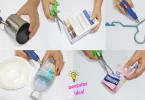
Creative reuse helps extend the life of everyday items.
Step 8: Compost Organic Waste
Organic waste like food scraps should not go into regular recycling bins. Instead, composting is the best option.
Compostable items include:
- Fruit and vegetable peels
- Coffee grounds and tea bags
- Eggshells
- Leaves and garden waste
Benefits of composting:
- Reduces household waste
- Produces natural fertilizer for plants
- Improves soil health
If you have a garden or plants, composting can be very useful.
You may also like to read this:
How to Find Discount Offers on Cleaning Products Easily
How To Recycle Waste At Home | Easy Step-By-Step Guide
Simple Recycling Tips For Beginners | Easy Home Guide
How To Reduce Household Waste: Simple Home Tips
Easy Ways To Recycle Plastic | Simple Recycling Tips
Step 9: Dispose of Hazardous and Special Waste Separately
Some items require special disposal methods and should never be mixed with regular recyclables.
Examples:
- Batteries
- Electronic devices (phones, laptops, chargers)
- Light bulbs
- Paints, chemicals, and cleaning agents
Look for designated collection centers or recycling programs in your area for these materials.
Step 10: Schedule Regular Disposal
Once your bins start filling up, you need a routine for disposing of recyclables.
Tips:
- Set a weekly or bi-weekly schedule
- Keep recyclables organized and stored until collection day
- Flatten cardboard boxes to save space
- Avoid overflow by emptying bins regularly
Consistency ensures your recycling system runs smoothly.
Step 11: Involve Everyone in the Household
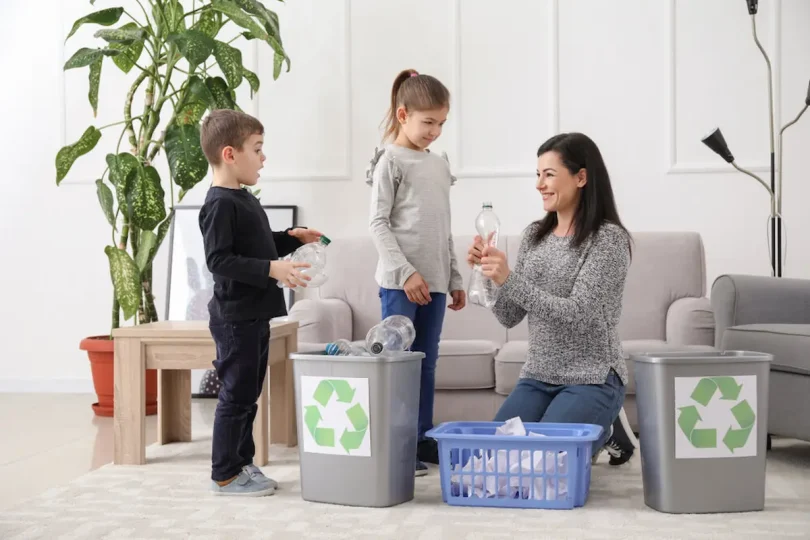
Recycling becomes much easier when all household members participate.
How to encourage participation:
- Educate family members about sorting waste
- Place clear instructions near bins
- Assign simple responsibilities
- Lead by example
When everyone contributes, the system becomes efficient and sustainable.
Common Mistakes to Avoid
Even with good intentions, people often make mistakes while recycling.
- Mixing recyclables with food waste
- Placing dirty items into recycling bins
- Ignoring local recycling guidelines
- Overcomplicating the system with too many categories
- Throwing non-recyclable items into recycling bins
Avoiding these mistakes improves the effectiveness of your efforts.
Benefits of Following a Home Recycling Guide Step by Step
- Reduces environmental pollution
- Saves natural resources
- Decreases landfill waste
- Promotes a cleaner and healthier home
- Builds eco-friendly habits for the long term
Recycling is not just a task—it’s a lifestyle change that benefits both you and the environment.
Final Thoughts
A home recycling guide step by step doesn’t need to be complicated. By setting up a simple system, learning what to recycle, cleaning and sorting your waste, and staying consistent, you can make a meaningful difference.
Start small, build habits gradually, and involve your household. Over time, recycling will become second nature, and your home will contribute to a cleaner and more sustainable world.
FAQs
1. What is a home recycling guide step by step?
A home recycling guide step by step is a structured approach that explains how to set up a recycling system at home, sort waste into categories, clean recyclables, and dispose of them properly in an organized way.
2. What are the first steps to start recycling at home?
Start by setting up separate bins for different waste types, learning what materials are recyclable in your area, and creating a simple system for sorting paper, plastic, glass, metal, and organic waste.
3. Do I need separate bins for recycling?
Yes, having separate bins makes recycling easier and more efficient. You can use labeled containers for paper, plastic, glass, metals, and organic waste to avoid mixing materials.
4. Should recyclables be cleaned before disposal?
Yes, it’s important to rinse containers and remove food residue. Clean recyclables prevent contamination and ensure the materials can be properly processed.
5. Can all plastics be recycled?
Not all plastics are recyclable. It depends on the type of plastic and local recycling guidelines. Always check the recycling symbol and local rules to know what is accepted.