If you’re searching for easy ways to recycle plastic, you’re already making a responsible choice toward reducing environmental pollution and managing waste better. Plastic is one of the most widely used materials in the world, and while it is convenient, it also creates long-term environmental challenges if not handled properly. The good news is that recycling plastic doesn’t have to be complicated. With the right knowledge and a few consistent habits, you can make a meaningful difference from your own home.
In this detailed guide, I’ll walk you through practical, step-by-step methods, explain how recycling works, and show you how to build sustainable habits that fit easily into your daily routine.
Understanding Plastic Waste and Recycling
Before learning the easy ways to recycle plastic, it’s helpful to understand what happens to plastic waste.
Plastic is made from synthetic materials derived from petroleum. It does not biodegrade easily, meaning it can remain in the environment for hundreds of years. Recycling helps by converting used plastic into new products, reducing the need for raw materials and lowering pollution.
There are different types of plastics, and not all are equally recyclable. This is why proper sorting and awareness are essential parts of the recycling process.
Step 1: Start with Proper Segregation at Home
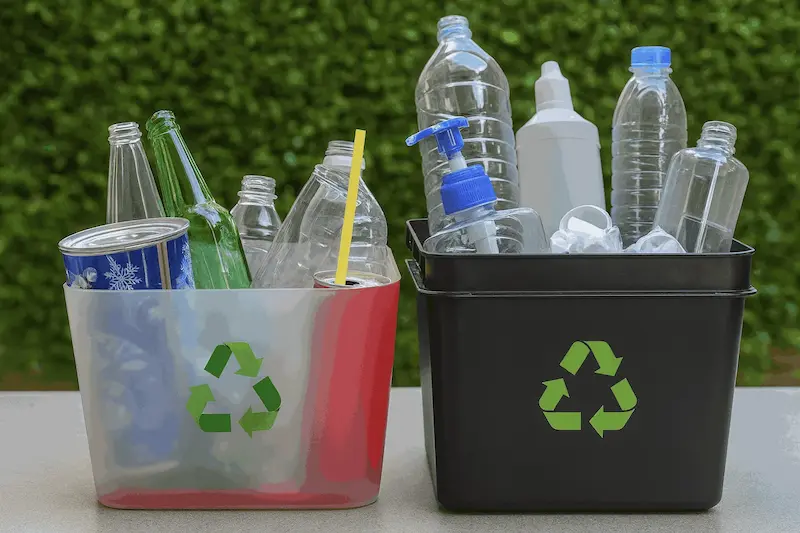
One of the most important and simple habits is separating plastic waste from other types of waste.
How to do it:
- Keep separate bins for plastic, organic waste, and general waste
- Assign a designated container for recyclable plastics
- Avoid mixing plastic with food waste or liquids
Segregation ensures that recyclable materials remain clean and usable, which increases the chances of successful recycling.
Step 2: Learn to Identify Recyclable Plastics
Not all plastic products can be recycled easily. Understanding the recycling symbols can help you make better decisions.
Common recyclable plastics include:
- Plastic bottles (water, soft drinks)
- Food containers (yogurt tubs, takeaway boxes)
- Milk jugs and detergent bottles
Plastics that are harder to recycle:
- Plastic bags and wrappers
- Styrofoam products
- Multi-layered packaging
By checking the number inside the recycling triangle (usually found on the bottom of containers), you can identify the type of plastic and its recyclability.
Step 3: Clean Your Plastic Waste Properly
Dirty plastics can contaminate entire batches of recyclable materials. That’s why cleaning is an essential step.
Tips for cleaning:
- Rinse containers with water to remove food residue
- Empty all liquids before recycling
- Let items dry before placing them in the recycling bin
Clean plastics are more likely to be accepted by recycling centers and processed efficiently.
Step 4: Reuse Plastic Before Recycling

One of the most effective easy ways to recycle plastic is to reuse it instead of discarding it immediately.
Practical reuse ideas:
- Use bottles as water containers for plants
- Convert jars into storage containers for small items
- Repurpose plastic boxes for organizing drawers
- Use old containers for storing tools or stationery
Reusing plastic extends its life cycle and reduces waste generation.
Step 5: Set Up a Simple Recycling System at Home
Creating an organized recycling system makes the process easier and more consistent.
How to set it up:
- Use labeled bins for different types of waste
- Place bins in an accessible area like the kitchen or garage
- Educate all family members about proper disposal
When recycling becomes part of your daily routine, it no longer feels like an extra task.
Step 6: Utilize Local Recycling Facilities
Many communities offer recycling services or drop-off centers.
What you can do:
- Check local recycling guidelines
- Use curbside collection services if available
- Drop off recyclable plastics at designated centers
Following local rules ensures that your plastic waste is processed correctly and does not end up in landfills.
Step 7: Reduce Single-Use Plastics
Recycling is important, but reducing plastic usage is even more impactful.
Simple changes you can make:
- Carry reusable shopping bags
- Use stainless steel or reusable water bottles
- Avoid disposable cutlery and straws
- Choose products with minimal packaging
By reducing consumption, you automatically reduce the amount of plastic that needs recycling.
You may also like to read this:
Best Cleanup Tools Under Budget For Smart Home Cleaning
How to Find Discount Offers on Cleaning Products Easily
How To Recycle Waste At Home | Easy Step-By-Step Guide
Simple Recycling Tips For Beginners | Easy Home Guide
How To Reduce Household Waste: Simple Home Tips
Step 8: Try DIY Upcycling Projects
Upcycling is a creative and practical way to give plastic a second life.
Ideas you can try:
- Turn bottles into decorative plant pots
- Make vertical gardens using plastic containers
- Create organizers for pens, brushes, or kitchen items
- Design craft projects for home or school use
These activities are not only useful but also encourage creativity and sustainability.
Step 9: Support Environmentally Responsible Brands
Another way to contribute is by choosing products from companies that prioritize sustainability.
Look for:
- Recyclable packaging
- Minimal use of plastic
- Eco-friendly materials
When consumers support such brands, it encourages more businesses to adopt environmentally friendly practices.
Step 10: Spread Awareness and Encourage Others
Recycling becomes more effective when more people participate.
You can:
- Share knowledge with friends and family
- Encourage recycling habits at home
- Promote awareness in your community or workplace
Even small efforts can lead to a bigger collective impact over time.
Common Mistakes to Avoid in Plastic Recycling
To make your efforts more effective, avoid these common mistakes:
- Mixing recyclable and non-recyclable plastics
- Placing dirty or unwashed containers in recycling bins
- Assuming all plastics are recyclable
- Ignoring local recycling guidelines
- Using recycling bins for general waste
Avoiding these mistakes ensures your recycling efforts are actually useful.
Final Thoughts
Practicing easy ways to recycle plastic is not about making drastic changes overnight—it’s about building small, consistent habits that fit naturally into your lifestyle. From sorting and cleaning to reusing and reducing plastic consumption, each step plays a vital role in protecting the environment.
If you stay mindful of your daily choices and encourage others to do the same, you contribute to a cleaner, healthier planet. Start with simple actions today, and over time, those actions will create a meaningful and lasting impact.
FAQs on Easy Ways to Recycle Plastic
1. What are the easiest ways to recycle plastic at home?
The easiest ways include sorting plastic waste, cleaning containers before disposal, reusing items like bottles and jars, and using local recycling collection services or drop-off centers.
2. Can all types of plastic be recycled?
No, not all plastics are recyclable. Items like plastic bottles and containers are commonly accepted, while plastic bags, wrappers, and Styrofoam are often not recyclable through standard systems.
3. Why is it important to clean plastic before recycling?
Cleaning removes food residue and liquids that can contaminate other recyclable materials. Dirty plastic can reduce the quality of recycling or cause entire batches to be rejected.
4. What should I do with plastic bags?
Plastic bags are usually not accepted in regular curbside recycling bins. However, many grocery stores and recycling centers have special drop-off points for plastic bags.
5. How can I tell if a plastic item is recyclable?
Check the recycling symbol (a triangle with a number inside) on the item. Numbers like 1 (PET) and 2 (HDPE) are commonly recyclable, but you should also follow your local recycling guidelines.