If you’re searching for simple recycling tips for beginners, this guide will walk you through everything step by step in a detailed and easy-to-understand way. Recycling may seem confusing at first, but once you learn the basics and build a routine, it becomes a natural part of your daily life.
In this article, you’ll learn practical methods, common mistakes to avoid, and actionable habits you can start using right away.
Understanding Recycling in Simple Terms

Recycling means collecting and processing materials that would otherwise be thrown away and turning them into new products. Instead of letting waste pile up in landfills, recycling gives materials a second life.
For beginners, the goal is not perfection—it’s awareness and consistency. Even small efforts, when practiced regularly, make a meaningful environmental impact.
Why You Should Follow Simple Recycling Tips for Beginners
Adopting simple recycling tips for beginners helps you:
- Reduce household waste
- Save natural resources
- Lower pollution levels
- Contribute to a cleaner environment
- Develop sustainable habits
When more people recycle properly, communities benefit as a whole.
Step 1: Set Up a Basic Recycling System at Home
One of the most important simple recycling tips for beginners is organizing your waste properly.
How to do it:
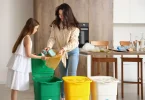
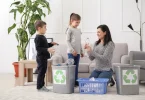
- Place at least two bins in your home:
- One for recyclable materials
- One for general waste
- If possible, add a third bin for organic waste like food scraps
Tips:
- Keep bins in visible and convenient locations
- Label them clearly
- Educate everyone in your household
This simple system prevents confusion and makes recycling effortless.
Step 2: Learn What Materials Are Recyclable
Understanding what can and cannot be recycled is essential.
Common recyclable items:
- Paper (newspapers, notebooks, office paper)
- Cardboard boxes
- Plastic bottles and containers (clean)
- Glass bottles and jars
- Aluminum and steel cans
Common non-recyclable items:
- Dirty or food-contaminated items
- Plastic bags (in regular bins)
- Styrofoam packaging
- Broken glass (in most cases)
- Greasy food containers
Checking local recycling guidelines is always a good idea because rules can vary by location.
Step 3: Clean and Prepare Recyclables Properly
Another key part of simple recycling tips for beginners is preparing your items before recycling.
What you should do:
- Rinse bottles and containers to remove leftover food or liquids
- Shake out crumbs from packaging
- Let items dry before placing them in the bin
Why this matters:
Dirty recyclables can contaminate the entire batch, making it unusable.
Step 4: Avoid Mixing Different Types of Waste
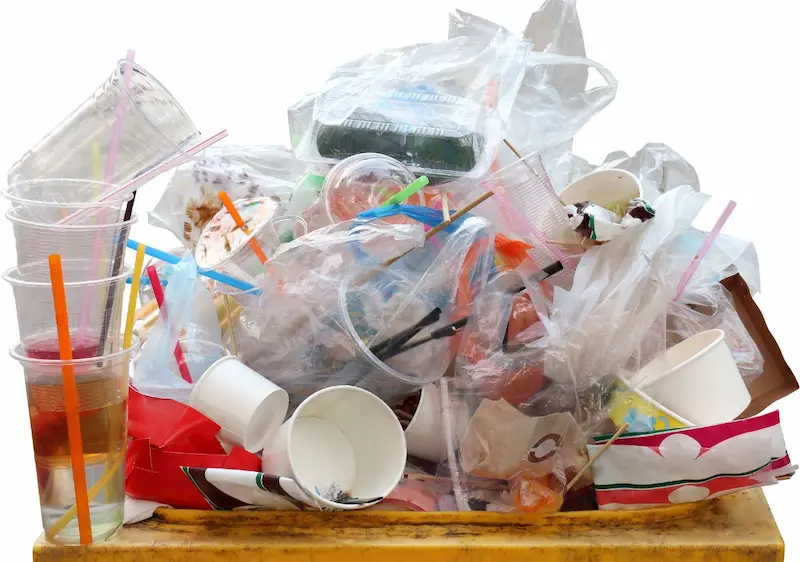
Keep recyclable materials separate from non-recyclables. Mixing waste reduces the chances of successful recycling.
For example:
- Don’t place food waste in paper recycling
- Don’t mix liquids with plastic or glass recyclables
Proper separation ensures materials remain usable.
Step 5: Flatten and Organize Large Items
Cardboard boxes and bulky materials can take up unnecessary space.
What to do:
- Flatten boxes before recycling them
- Break down large packaging items
- Stack items neatly in the bin
This helps:
- Save space
- Improve storage efficiency
- Make collection easier
Step 6: Reduce Waste Before Recycling
Recycling is important, but reducing waste is even better. One of the smartest simple recycling tips for beginners is minimizing waste from the start.
Practical ways to reduce:
- Use reusable water bottles instead of disposable ones
- Carry reusable shopping bags
- Avoid single-use plastics when possible
- Buy products with minimal packaging
By reducing consumption, you automatically reduce the need for recycling.
Step 7: Reuse Items Creatively
Before throwing something away, think about whether it can be reused.
Examples:
- Glass jars can store food or small items
- Old containers can organize supplies
- Used paper can be reused for notes or drafts
- Boxes can be used for storage or moving items
Reusing extends the life of materials and reduces waste.
You may also like to read this:
Affordable Cleaning Products Offers: Smart Shopping Guide
Eco Cleaning Kits Discount Deals Save on Green Cleaning Kits
Home Cleaning Supplies Cheap Deals | Save Big on Essentials
Best Cleanup Tools Under Budget For Smart Home Cleaning
How to Find Discount Offers on Cleaning Products Easily
How To Recycle Waste At Home | Easy Step-By-Step Guide
Step 8: Be Careful About Contamination
Contamination is one of the biggest challenges in recycling.
What causes contamination:
- Food residue
- Oil or grease
- Mixing non-recyclable items with recyclables
How to avoid it:
- Clean items before recycling
- Keep recyclables dry
- Follow sorting rules carefully
Even a small amount of contamination can affect an entire recycling batch.
Step 9: Handle Special Waste Separately
Some items require special disposal methods and should not go into regular recycling bins.
Examples:
- Batteries
- Electronics (phones, chargers, computers)
- Chemicals and hazardous materials
- Light bulbs
Look for designated collection centers or recycling programs in your area for these items.
Step 10: Build a Consistent Recycling Habit
The final and most important step in simple recycling tips for beginners is consistency.
How to stay consistent:
- Make recycling part of your daily routine
- Keep bins accessible
- Remind family members regularly
- Review and improve your system over time
Habits take time to develop, but once established, recycling becomes second nature.
Common Mistakes Beginners Should Avoid
Here are a few mistakes many beginners make:
- Throwing everything into one bin without sorting
- Recycling dirty items
- Assuming all plastics are recyclable
- Ignoring local recycling rules
- Overcomplicating the process
Avoiding these mistakes will improve your recycling efficiency.
Final Thoughts
Following simple recycling tips for beginners doesn’t require special tools or advanced knowledge—just a willingness to start and stay consistent. By setting up a basic system, understanding recyclable materials, cleaning items properly, and building small daily habits, you can significantly reduce your environmental footprint.
Recycling is not about being perfect—it’s about being responsible. Start small, stay consistent, and gradually improve your approach. Over time, these simple actions will become part of your lifestyle and contribute to a cleaner, healthier planet for everyone.
FAQs on Simple Recycling Tips for Beginners
1. What are the easiest simple recycling tips for beginners to start with?
Start by setting up separate bins for recyclables and general waste, learning what materials are accepted, and making sure items are clean before recycling. These basic steps are the foundation of good recycling habits.
2. Do I need to wash items before recycling them?
Yes, lightly rinsing containers helps remove food residue and prevents contamination. You don’t need to deep clean them—just a quick rinse is enough.
3. Can all plastics be recycled?
No, not all plastics are recyclable. It depends on the type of plastic and your local recycling system. Always check the recycling symbol and local guidelines to be sure.
4. What should I do with items that cannot be recycled?
Items that cannot be recycled should go into general waste. Some special items like batteries, electronics, and chemicals should be taken to designated collection centers.
5. Why is it important to separate recyclables from regular waste?
Separating waste prevents contamination, making it easier for recycling facilities to process materials efficiently. Mixed waste often ends up being discarded entirely.