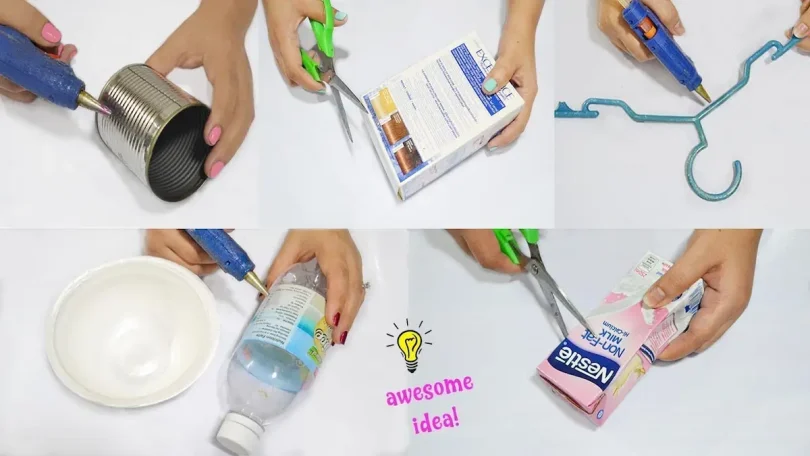

If you are looking for how to recycle waste at home, this guide will walk you through everything in a practical and easy-to-follow way. Recycling at home is not just about throwing things in different bins—it’s about building a simple system, understanding waste types, and making small daily habits that lead to a big environmental impact over time.
Let’s go step by step and explore how you can set up and manage an effective home recycling routine.
Understanding Household Waste Types
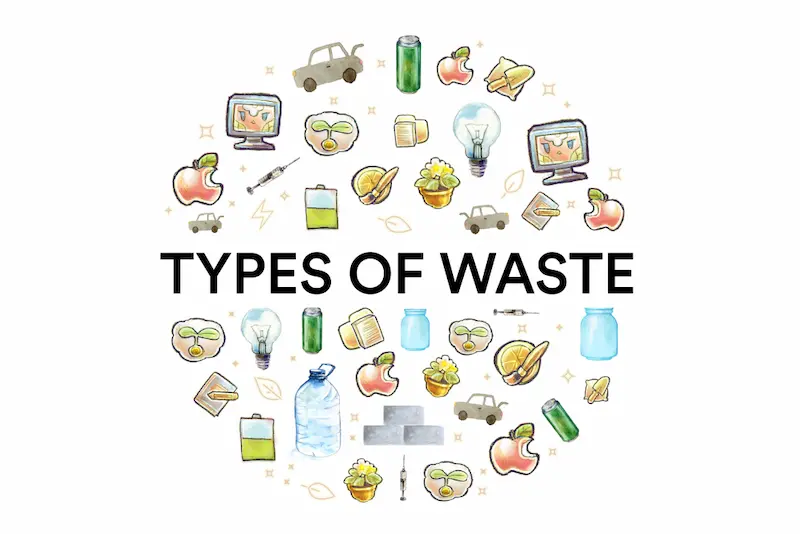
Before you start recycling, it’s important to understand the different types of waste produced at home:
1. Organic Waste
This includes biodegradable materials such as:
- Fruit and vegetable peels
- Food leftovers
- Tea leaves and coffee grounds
- Eggshells
- Garden waste (leaves, grass, small branches)
These materials can naturally decompose and are ideal for composting.
2. Recyclable Waste
These materials can be processed and reused:
- Paper and cardboard
- Plastic bottles and containers
- Glass bottles and jars
- Metal cans (aluminum, steel)
3. Non-Recyclable Waste
Items that cannot be recycled easily:
- Used tissues and sanitary products
- Broken ceramics
- Contaminated packaging (greasy or dirty items)
- Certain multilayer packaging
4. Hazardous Waste
These require special disposal methods:
- Batteries
- Electronics (phones, chargers, etc.)
- Chemicals, paints, and pesticides
- Light bulbs
Understanding these categories is the first and most important step in learning how to recycle waste at home effectively.
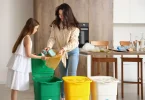
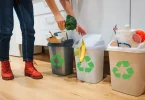
Step 1: Set Up a Waste Segregation System
The foundation of recycling is proper segregation.
What you can do:
- Use separate bins or containers for each type of waste
- Label bins clearly (Organic, Recyclable, Non-Recyclable, Hazardous)
- Place bins in convenient locations like kitchen, balcony, or utility area
- Use color coding if possible (e.g., green for organic, blue for recyclables)
Why it matters:
Segregation prevents contamination, making recycling easier and more efficient.
Step 2: Start Composting Organic Waste
Composting is one of the most effective ways to recycle waste at home.
How to compost:
- Choose a compost bin or container with ventilation
- Add a mix of “green” waste (food scraps) and “brown” waste (dry leaves, paper)
- Keep the compost moist but not wet
- Stir or mix the compost occasionally for airflow
Benefits of composting:
- Reduces household waste significantly
- Produces natural fertilizer for plants
- Improves soil quality
- Reduces methane emissions from landfills
Composting is a key part of sustainable waste management at home.
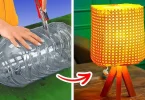
Step 3: Reuse Items Creatively
Before recycling, always consider reuse.
Examples of reuse:
- Glass jars → storage containers for spices or grains
- Plastic bottles → plant pots or watering containers
- Old clothes → cleaning rags or DIY crafts
- Cardboard boxes → organizers or storage bins
Reusing extends the life of items and reduces the need to buy new products.
Step 4: Recycle Paper and Cardboard Properly
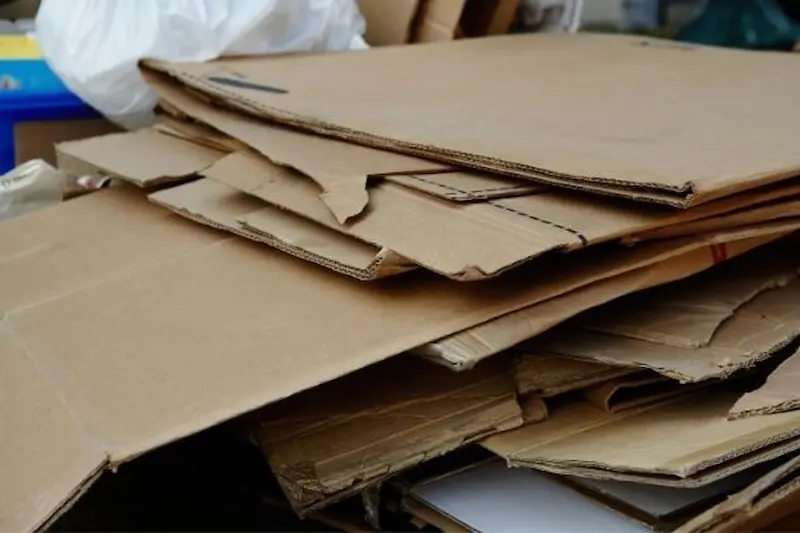
Paper is one of the easiest materials to recycle at home.
Tips:
- Keep paper dry and clean
- Avoid mixing with food waste
- Flatten cardboard boxes to save space
- Separate newspapers, notebooks, and packaging materials
Additional idea:
You can also reuse paper for notes, drafts, or crafts before recycling it.
Step 5: Manage Plastic Waste Responsibly
Plastic requires special attention because not all types are recyclable.
Best practices:
- Rinse plastic containers before storing them
- Remove labels if required
- Avoid mixing different types of plastics
- Reuse plastic containers whenever possible
Reduce plastic usage:
- Carry reusable bags
- Use refillable water bottles
- Avoid single-use plastic items
- Choose products with minimal packaging
Reducing plastic consumption is just as important as recycling it.
Step 6: Recycle Glass and Metal Items
Glass and metal are highly recyclable and can be reused multiple times.
Glass recycling tips:
- Clean bottles and jars before storing
- Avoid breaking glass unnecessarily
- Separate colored and clear glass if required
Metal recycling tips:
- Rinse cans to remove food residue
- Crush cans to save space
- Keep aluminum and steel items separate if possible
These materials are often collected by recycling programs or scrap collectors.
You may also like to read this:
Affordable Cleaning Products Offers: Smart Shopping Guide
Eco Cleaning Kits Discount Deals Save on Green Cleaning Kits
Home Cleaning Supplies Cheap Deals | Save Big on Essentials
Best Cleanup Tools Under Budget For Smart Home Cleaning
How to Find Discount Offers on Cleaning Products Easily
Step 7: Dispose of Hazardous Waste Safely
Hazardous waste should never go into regular trash or recycling bins.
Examples include:
- Batteries
- Old electronics (phones, laptops)
- Light bulbs
- Paints, solvents, and chemicals
What to do:
- Store them separately in a safe container
- Take them to designated collection centers
- Check local recycling or disposal services
Proper handling prevents environmental and health risks.
Step 8: Create a Practical Weekly Routine
Consistency is key when learning how to recycle waste at home.
Suggested routine:
- Daily: Segregate waste while disposing of it
- Weekly: Empty bins and sort recyclables
- Weekly/biweekly: Manage compost and add new organic waste
- Monthly: Dispose of accumulated recyclables or take them to collection points
A routine helps maintain cleanliness and organization.
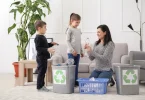
Step 9: Educate and Involve Your Family
Recycling works best when everyone participates.
- Teach family members about waste segregation
- Assign responsibilities for managing different bins
- Encourage children to participate in simple recycling activities
- Share the importance of reducing waste
A collective effort makes the process easier and more effective.
Step 10: Focus on Reducing Waste First
Recycling is important, but reducing waste at the source is even better.
Practical ways to reduce waste:
- Plan meals to avoid food waste
- Buy only what you need
- Choose reusable products over disposable ones
- Avoid excessive packaging
- Repair items instead of replacing them
The less waste you generate, the less you need to recycle.
Common Challenges and How to Overcome Them
Challenge: Lack of space
Solution: Use compact bins or stackable containers.
Challenge: Mixing of waste
Solution: Educate household members and clearly label bins.
Challenge: Irregular recycling habits
Solution: Build a fixed routine and stick to it.
Challenge: Limited access to recycling services
Solution: Check local scrap dealers, municipal services, or community programs.
Final Thoughts
Understanding how to recycle waste at home is a powerful step toward living a more sustainable lifestyle. By segregating waste, composting organic materials, reusing items, and properly recycling paper, plastic, glass, and metal, you can significantly reduce your environmental footprint.
Start small, stay consistent, and gradually build better habits. Over time, recycling will become a natural part of your daily routine, helping you maintain a cleaner home while contributing to a healthier planet.
FAQs
1. What is the easiest way to start recycling waste at home?
The easiest way to start is by setting up separate bins for organic, recyclable, and non-recyclable waste. Begin sorting your daily waste and gradually build a routine.
2. Why is waste segregation important for recycling?
Waste segregation prevents contamination. When different types of waste are mixed, it becomes difficult or impossible to recycle materials effectively.
3. Can all types of plastic be recycled at home?
No, not all plastics are recyclable. It depends on the type of plastic and local recycling facilities. Always check recycling symbols and local guidelines.
4. What household items can be composted?
You can compost fruit and vegetable peels, tea bags, coffee grounds, eggshells, and garden waste. Avoid meat, dairy, and oily food.
5. How long does it take to make compost?
Composting usually takes between 2 to 8 weeks, depending on the method, temperature, and maintenance like turning and moisture control.