If you’re trying to learn how to reduce household waste, you’re already moving in the right direction toward a cleaner home and a more sustainable lifestyle. Reducing waste is not about making huge sacrifices—it’s about adopting smarter habits in your daily routine.
In this detailed guide, I’ll walk you through practical, easy-to-follow strategies that you can start applying immediately in your home.
Understanding Household Waste and Its Impact

Before focusing on how to reduce household waste, it’s important to understand what household waste actually includes. It typically consists of:
- Food scraps
- Plastic packaging
- Paper and cardboard
- Glass and metal containers
- Unused or broken household items
When not managed properly, this waste ends up in landfills, contributing to pollution, greenhouse gas emissions, and environmental degradation. Reducing waste helps conserve resources, lower pollution levels, and promote a healthier living environment.
Step 1: Conduct a Waste Audit at Home
A great starting point in learning how to reduce household waste is identifying what you throw away the most.
Spend a few days observing your trash:
- What items are most common?
- Are you wasting food frequently?
- Are there too many plastic or packaging materials?
Once you identify patterns, you can target specific areas for improvement instead of guessing.
Step 2: Follow the 5 R’s Instead of Just 3 R’s
While many people know the 3 R’s (Reduce, Reuse, Recycle), a more effective approach includes:
- Refuse: Say no to unnecessary items (like freebies or excessive packaging)
- Reduce: Minimize consumption
- Reuse: Use items multiple times
- Repurpose: Find new uses for old items
- Recycle: Properly process materials that cannot be reused
This expanded approach gives a more complete strategy for how to reduce household waste effectively.
Step 3: Plan Your Purchases Carefully
Impulse buying is one of the biggest contributors to household waste. To control this:
- Always make a shopping list before going out
- Stick strictly to your list
- Avoid buying duplicate or unnecessary items
- Choose quality over quantity
When you buy less and buy smarter, you automatically generate less waste.
Step 4: Choose Products with Less Packaging
Packaging waste is a major issue in modern households. You can reduce it by:
- Buying loose fruits and vegetables instead of pre-packaged ones
- Choosing products with recyclable packaging
- Avoiding individually wrapped items when possible
- Supporting brands that use eco-friendly packaging
Small changes in your shopping choices can significantly reduce waste over time.
Step 5: Replace Disposable Items with Reusable Ones
Switching from disposable to reusable products is one of the most effective ways to reduce household waste.
Here are some practical swaps:
- Cloth bags instead of plastic bags
- Reusable water bottles instead of single-use bottles
- Steel or glass containers instead of plastic wraps
- Cloth napkins instead of paper towels
Although reusable items may cost more initially, they save money and reduce waste in the long run.
Step 6: Manage Food Efficiently

Food waste is a major component of household garbage. To minimize it:
- Plan meals weekly
- Store food properly in airtight containers
- Use leftovers creatively instead of discarding them
- Freeze extra food for later use
- Avoid overbuying perishable items
You’ll notice that better food management not only reduces waste but also helps you save money and time.
Step 7: Start Composting Organic Waste
Organic waste can be turned into something useful instead of being thrown away.
You can compost:
- Fruit and vegetable peels
- Coffee grounds
- Eggshells
- Garden waste
Steps to begin composting:
- Use a small bin or container
- Add organic waste regularly
- Mix with dry materials like leaves or paper
- Keep it moist but not wet
Over time, this waste turns into nutrient-rich compost that can be used for plants or gardening.
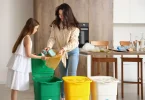
Step 8: Recycle the Right Way
Recycling is helpful, but only when done correctly.
Follow these tips:
- Separate recyclable materials from general waste
- Clean bottles and containers before recycling
- Avoid mixing contaminated items with recyclables
- Learn what your local recycling system accepts
Proper recycling ensures materials can be processed and reused efficiently.
You may also like to read this:
Home Cleaning Supplies Cheap Deals | Save Big on Essentials
Best Cleanup Tools Under Budget For Smart Home Cleaning
How to Find Discount Offers on Cleaning Products Easily
How To Recycle Waste At Home | Easy Step-By-Step Guide
Simple Recycling Tips For Beginners | Easy Home Guide
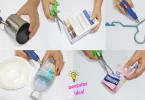
Step 9: Repair, Reuse, and Upcycle Items
Instead of throwing things away, consider alternative options:
- Repair broken electronics or furniture
- Reuse jars, containers, and boxes for storage
- Upcycle old clothes into cleaning rags or DIY items
- Repurpose furniture instead of replacing it
This approach reduces waste while also saving money.
Step 10: Avoid Over-Consumption
Modern lifestyles often encourage buying more than needed. To control this:
- Ask yourself if you truly need an item before buying it
- Avoid trends that lead to unnecessary purchases
- Focus on minimalism and functionality
- Prioritize long-lasting items
Reducing consumption is one of the most powerful ways to reduce household waste.
Step 11: Donate or Share Unused Items
If you have items that are still in good condition but no longer needed:
- Donate clothes, books, and toys
- Share items with friends or family
- Sell items through online platforms
- Participate in local community exchanges
This keeps items in use instead of turning into waste.
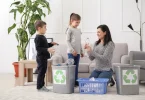
Step 12: Educate and Involve Your Household
Sustainable habits work best when everyone in the home participates.
- Teach children about waste reduction
- Encourage family members to follow waste-saving practices
- Assign simple responsibilities like recycling or composting
- Create a household system for sorting waste
When everyone contributes, it becomes easier to maintain consistent habits.
Step 13: Track Your Progress
To stay motivated, monitor your progress:
- Observe how much waste your household generates over time
- Notice reductions in trash volume
- Track savings from reduced consumption
- Adjust your habits as needed
Tracking helps you stay aware and continuously improve your waste reduction efforts.
Final Thoughts
Understanding how to reduce household waste is less about strict rules and more about building practical, long-term habits. From mindful shopping and proper food management to composting and recycling, every small step counts.
If you stay consistent and make gradual improvements, you’ll not only reduce the amount of waste your household produces but also contribute to a cleaner environment and a more efficient lifestyle.
FAQs on How to Reduce Household Waste
1. What is the easiest way to start reducing household waste?
The easiest way to start is by focusing on small habits such as avoiding single-use plastics, making a shopping list before buying, and reusing items whenever possible. Even simple changes can make a noticeable difference over time.
2. Why is it important to reduce household waste?
Reducing household waste helps protect the environment, reduces pollution, saves natural resources, and minimizes the amount of trash sent to landfills. It also encourages a more mindful and organized lifestyle.
3. How can I reduce food waste at home?
You can reduce food waste by planning meals in advance, storing food properly, using leftovers creatively, freezing excess food, and only buying what you need. Checking expiry dates regularly also helps prevent waste.
4. What are some examples of reusable household items?
Examples include cloth shopping bags, reusable water bottles, glass or steel food containers, cloth napkins, and rechargeable batteries. These items replace disposable alternatives and reduce waste significantly.
5. How does composting help reduce household waste?
Composting turns organic waste like fruit peels, vegetable scraps, and coffee grounds into useful fertilizer. This reduces the amount of waste sent to landfills and helps enrich soil for gardening.