Introduction
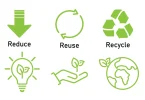
If you’re searching for how to manage waste at home, you’re already making a smart and responsible decision. Waste management is not just about throwing things away—it’s about reducing, reusing, recycling, and making mindful choices every day.
The good news? You don’t need a big budget or complicated systems to get started. With simple habits and a little awareness, you can completely transform how your home handles waste. In this detailed guide, I’ll walk you through how to manage waste at home step by step in a practical, friendly way.
Understanding Household Waste

Before learning how to manage waste at home, it’s important to know the types of waste you deal with daily:
1. Organic (Wet Waste)
- Food scraps
- Vegetable peels
- Fruit waste
- Leftovers
2. Dry Waste
- Paper and cardboard
- Plastics
- Glass
- Metals
3. Hazardous Waste
- Batteries
- Expired medicines
- Cleaning chemicals
- E-waste (old electronics)
Knowing these categories makes waste management much easier and more effective.
Why Learning How to Manage Waste at Home is Important
Managing waste properly has several benefits:
- Reduces pollution in your surroundings
- Prevents bad odors and pests
- Saves money by reducing unnecessary purchases
- Supports recycling and sustainability
- Creates a cleaner and healthier home
Step-by-Step Guide on How to Manage Waste at Home

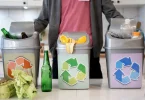
1. Set Up a Waste Segregation System
The foundation of how to manage waste at home is proper segregation.
What you should do:
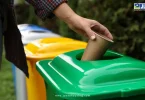
- Use at least 3 bins:
- Green for wet waste
- Blue for dry waste
- Red for hazardous waste
Pro Tip: Label your bins clearly so everyone in your home follows the system.
2. Reduce Waste at the Source
The most effective way to manage waste is to create less of it.
Practical ways to reduce waste:
- Avoid single-use plastics (bags, straws, cutlery)
- Buy products with less packaging
- Choose refillable or bulk items
- Plan shopping lists to avoid overbuying
This step alone can cut your household waste by a huge percentage.
3. Reuse Before You Throw
A key part of how to manage waste at home is giving items a second life.
Ideas for reuse:
- Glass jars for storing spices or leftovers
- Old clothes as cleaning cloths
- Plastic containers for organizing
- Shopping bags reused multiple times
Think creatively—many “waste” items still have value.
4. Start Composting at Home
Composting is one of the most powerful techniques in how to manage waste at home.
How to start composting:
- Use a small compost bin (indoor or outdoor)
- Add kitchen waste like fruit peels, tea leaves, and eggshells
- Mix with dry materials like leaves or paper
- Turn occasionally to help decomposition
Benefits:
- Reduces garbage volume
- Produces natural fertilizer
- Helps your plants grow better
Even if you live in an apartment, you can use compact composting systems.
5. Recycle the Right Way
Recycling is essential, but it must be done correctly.
Follow these tips:
- Clean and dry items before recycling
- Do not mix food waste with recyclables
- Separate materials (plastic, paper, glass)
- Follow local recycling rules
Proper recycling ensures materials can actually be reused instead of ending up in landfills.
6. Handle Hazardous Waste Safely
Hazardous waste should never be treated like regular trash.
Examples:
- Batteries
- Expired medicines
- Paints and chemicals
- Old electronics
What you should do:
- Store them separately
- Do not burn or dump them
- Take them to proper disposal or collection centers
This protects both your health and the environment.
7. Reduce Food Waste
Food waste is one of the biggest contributors to household waste.
Simple ways to reduce it:
- Plan meals in advance
- Store food properly
- Freeze leftovers
- Use leftover food creatively
For example, leftover vegetables can be used in soups or curries.
8. Build Daily Waste Management Habits
Consistency is the secret to mastering how to manage waste at home.
Daily habits to follow:
- Separate waste immediately after use
- Keep your bins clean
- Empty waste regularly
- Check what you’re throwing away
Over time, these small habits become part of your routine.
Room-by-Room Waste Management Tips
Kitchen
- Compost organic waste
- Avoid plastic packaging
- Store food properly
Bathroom
- Use reusable products (cloth towels, refillable bottles)
- Dispose of personal care waste properly
Living Room
- Reduce paper usage
- Recycle magazines and newspapers
Bedroom
- Donate old clothes
- Avoid fast fashion
You may also like to read this:
Sustainable Products For Daily Use: Easy Eco-Friendly Guide
Eco Friendly Cleaning Products List For a Green Home
Top Green Products For Environment: Eco-Friendly Guide
Best Biodegradable Products To Use For Eco Living
Eco Friendly Alternatives To Plastic For Daily Life Guide
Common Mistakes to Avoid
When learning how to manage waste at home, avoid these mistakes:
- Mixing wet and dry waste
- Throwing dirty recyclables
- Ignoring composting
- Buying unnecessary items
- Not involving family members
Benefits of Managing Waste at Home
Once you start practicing how to manage waste at home, you’ll notice:
- Cleaner and more organized space
- Reduced garbage disposal costs
- Less environmental impact
- Improved hygiene
- A more mindful lifestyle
FAQs About How to Manage Waste at Home
1. How can beginners start managing waste at home?
Start with waste segregation and gradually add recycling and composting.
2. Is composting difficult?
No, it’s simple and can be done even in small spaces.
3. What is the best way to reduce plastic waste?
Switch to reusable items like bags, bottles, and containers.
4. How do I manage waste in a small apartment?
Use compact bins, indoor composting, and regular recycling.
5. Can waste management save money?
Yes, reducing and reusing cuts down unnecessary spending.
Final Thoughts
Understanding how to manage waste at home is not about making big changes overnight—it’s about small, consistent actions. Start with simple steps like segregation and reducing waste, then slowly move toward composting and recycling.
The more mindful you become, the easier it gets. And remember, every small effort you make at home contributes to a cleaner planet for everyone.