If you’re trying to adopt daily habits for recycling waste, you’re making a smart and meaningful choice for both your home and the environment. Recycling is not just a one-time effort—it’s a routine that becomes powerful when practiced consistently every day. The more you integrate recycling into your lifestyle, the easier and more natural it becomes.
In this detailed guide, I’ll walk you through practical, real-life habits you can follow daily. The goal is to help you build a simple system that works smoothly without stress, confusion, or extra effort.
Why Daily Recycling Habits Matter

Before getting into the habits themselves, it’s important to understand why they matter. Waste management is a growing global issue, and small actions at the household level can collectively create a big impact.
By practicing daily habits for recycling waste, you:
- Reduce landfill waste
- Conserve natural resources
- Save energy used in manufacturing new materials
- Keep your surroundings cleaner and more organized
- Contribute to a sustainable lifestyle
When recycling becomes part of your routine, you don’t have to think about it constantly—it just happens naturally.
1. Make Waste Segregation a Daily Routine
One of the most important daily habits for recycling waste is separating your waste properly at the source.
You should ideally categorize waste into:
- Recyclable waste: paper, cardboard, plastic, glass, metal
- Organic waste: food scraps, fruit peels, vegetable waste
- General waste: non-recyclable items like certain wrappers or contaminated materials
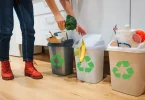
Set up separate bins at home so that every item goes directly into its correct category. This habit alone can significantly improve recycling efficiency and reduce contamination.
2. Always Clean Recyclable Items Before Disposal
A common mistake people make is throwing dirty recyclables into the bin.
Food residue or liquids can:
- Contaminate other recyclable materials
- Make entire batches unusable
- Create unpleasant odors
Make it a habit to quickly rinse bottles, jars, and containers before placing them in the recycling bin. It only takes a few seconds but ensures your recycling efforts are effective.
3. Develop a “Reuse First” Mindset
Before discarding anything, pause and think: Can I reuse this?
This mindset is a key part of daily habits for recycling waste.
Examples include:
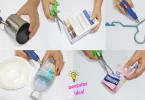
- Reusing glass jars for storage
- Using old containers for organizing small items
- Repurposing paper for notes or drafts
- Turning boxes into storage organizers
Reusing reduces waste generation and minimizes the need for recycling in the first place.
4. Avoid Single-Use Items Whenever Possible
Another essential habit is reducing reliance on single-use products.
Try to replace:
- Plastic bags → reusable cloth bags
- Disposable bottles → reusable water bottles
- Plastic cutlery → metal or bamboo alternatives
By reducing single-use items, you automatically reduce the amount of waste that needs recycling.
5. Set Up a Dedicated Recycling Area at Home
Creating a designated recycling space helps maintain consistency.
You can:
- Place labeled bins in your kitchen or utility area
- Assign different containers for different materials
- Keep the area accessible to everyone in the household
When recycling has a fixed place, it becomes easier to follow every day without confusion.
6. Practice Composting for Organic Waste
Organic waste makes up a large portion of household garbage. Instead of throwing it away, composting is a great alternative.
You can compost:
- Vegetable peels
- Fruit scraps
- Coffee grounds
- Tea leaves
Composting transforms waste into nutrient-rich fertilizer that can be used for gardening. This reduces waste and benefits plants at the same time.
7. Follow Local Recycling Rules and Guidelines
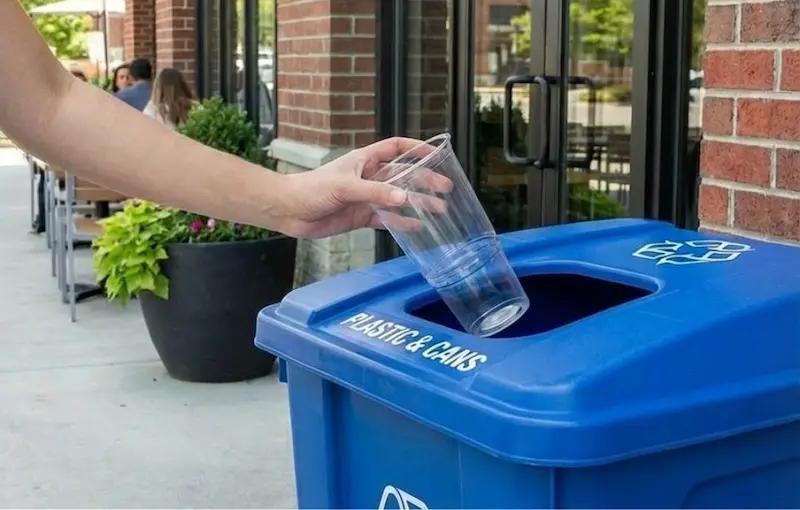
Different areas may have different recycling systems. It’s important to stay informed about:
- Which materials are accepted
- Collection schedules
- Sorting requirements
Following these rules ensures that your recycling efforts align with local systems and are actually processed correctly.
8. Avoid Mixing Recyclable and Non-Recyclable Waste
Keeping waste streams separate is critical.
If recyclable items are mixed with food waste or other contaminants:
- They may not be processed
- The entire batch can be rejected
- Recycling efficiency decreases
Make it a daily habit to keep recyclables clean and separate at all times.
You may also like to read this:
How To Recycle Waste At Home | Easy Step-By-Step Guide
Simple Recycling Tips For Beginners | Easy Home Guide
How To Reduce Household Waste: Simple Home Tips
Easy Ways To Recycle Plastic | Simple Recycling Tips
Home Recycling Guide Step By Step: Easy Beginner Tips
9. Involve Everyone in the Household
Recycling becomes much easier when it’s a shared responsibility.
You can:
- Teach family members how to sort waste
- Assign small tasks to each person
- Remind each other to follow the system
When everyone participates, maintaining daily habits for recycling waste becomes much more consistent and effective.
10. Use Labels and Visual Reminders
If you’re just starting, labels can help reinforce habits.
You can:
- Label bins clearly (paper, plastic, organic, etc.)
- Use color-coded containers
- Place small reminder notes near bins
These visual cues help avoid mistakes and make recycling intuitive.
11. Build a Simple Daily Routine
Consistency is the key to successful recycling habits.
Try to:
- Empty and sort waste at the same time each day
- Clean recyclables immediately after use
- Check bins regularly to avoid overflow
When recycling becomes part of your daily rhythm, you won’t need to think about it consciously.
12. Track Your Progress Over Time
If you want to stay motivated, observe the impact of your efforts.
You may notice:
- Less waste going to the trash
- Cleaner surroundings
- Better organization at home
- Reduced environmental footprint
Seeing progress encourages you to continue practicing daily habits for recycling waste.
Final Thoughts
Building daily habits for recycling waste is not about perfection—it’s about consistency. Small, simple actions like separating waste, reusing items, and staying mindful of what you throw away can lead to significant environmental benefits over time.
Start with a few habits, stay consistent, and gradually expand your routine. Over time, recycling will no longer feel like a task—it will become a natural part of your everyday life, helping you live more responsibly and sustainably.
FAQs on Daily Habits for Recycling Waste
1. What are the easiest daily habits for recycling waste to start with?
You can start with simple habits like separating waste into recyclable and non-recyclable bins, rinsing containers before recycling, and reusing items like jars and boxes. These small actions are easy to adopt and form the foundation of a good recycling routine.
2. Why is it important to clean recyclable items before disposing of them?
Cleaning recyclables prevents contamination. Dirty items can affect the entire batch of recyclables, making them unusable for recycling facilities. Organizations like the Environmental Protection Agency emphasize proper cleaning to ensure materials can be effectively processed.
3. How can I encourage my family to follow recycling habits?
You can involve your family by assigning simple roles, labeling bins clearly, and explaining the benefits of recycling. When everyone participates, it becomes easier to maintain consistency in daily habits for recycling waste.
4. What types of waste can be recycled at home?
Common recyclable materials include paper, cardboard, plastic bottles, glass containers, and metal cans. However, the exact list may vary depending on local recycling guidelines, so it’s important to check what your area accepts.
5. Is composting considered part of recycling?
Yes, composting is a form of recycling organic waste. Food scraps like vegetable peels, fruit waste, and coffee grounds can be converted into compost, which is useful for gardening and reduces landfill waste.